How it works
How FlightMind briefs a flight.
An AI weather briefing you can trust has to show its work. Here is what FlightMind reads, what it works out, and where the AI comes in.
What you do
Four steps, route to brief.
Tell it the flight.
Your route, cruise altitude and departure time, VFR or IFR. Your airplane and your personal minimums are saved once. That is the whole input.
It reads the whole route.
FlightMind pulls the official weather along the route, checks NOTAMs and TFRs, and works the numbers for this flight. A step that could not be read says so.
You get a verdict, with the reasons.
Go, go with conditions or no-go, on one screen: the route from the side, and the few things to know before you go.
Press play.
The guided brief flies the route on the map and shows each hazard where and when you would meet it. The full written brief sits behind it, with every fact.
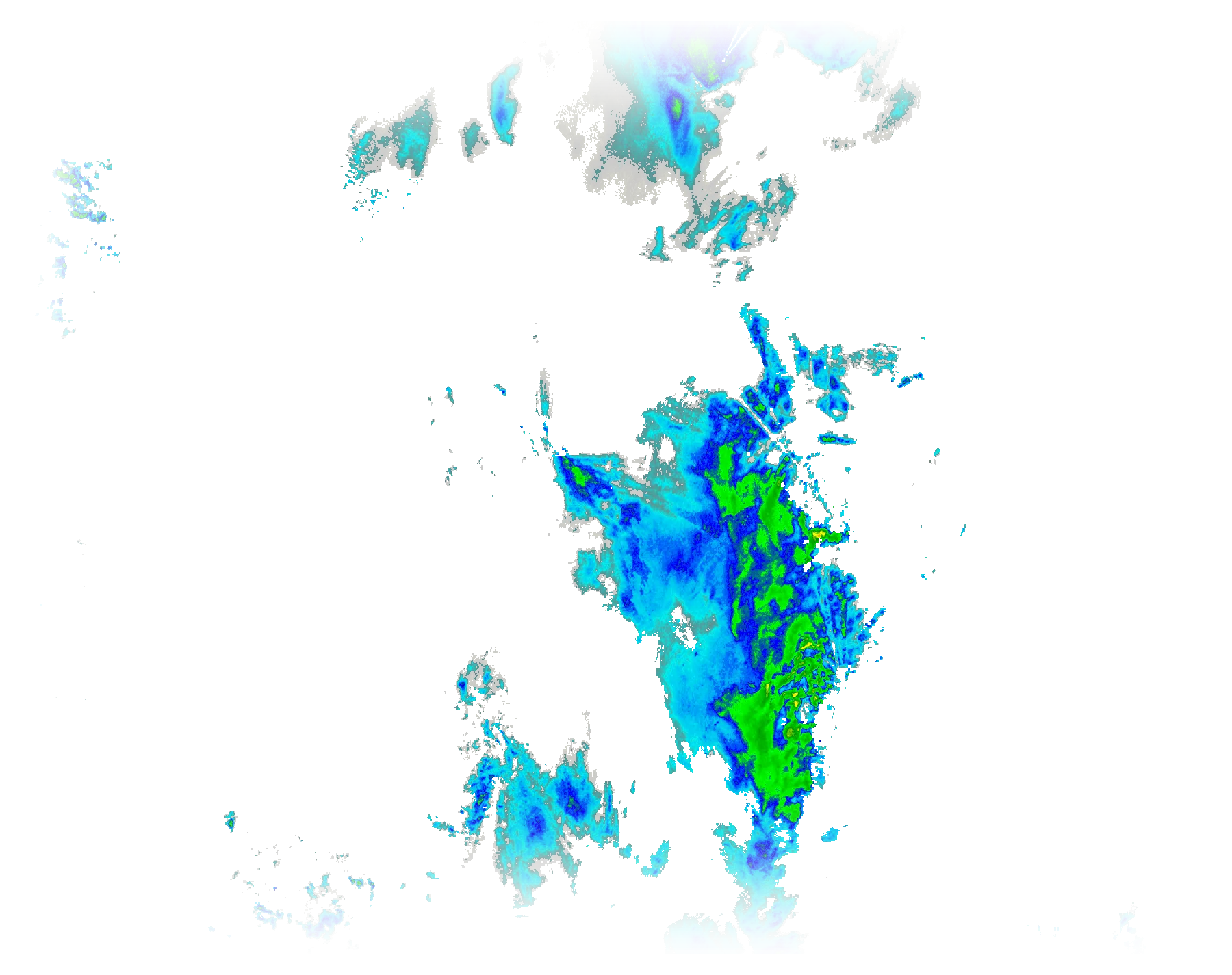
Drawn from a real brief: KTWF to KBOI, Cessna 172, VFR at 6,500 ft, generated from live weather on 17 November 2026. Play it on the home page
Where the data comes from
Official sources in. One brief out.
An AI preflight briefing is only as good as what it reads. FlightMind reads the official reports from the FAA and NOAA’s National Weather Service along your whole route, and measures them against you and your airplane.
NOAA National Weather Service
FAA Federal Aviation Administration
You Set once
Your airplane Set once
 FlightMind
Facts are computed.
Crosswind, minimums, timing, and what crosses your route at your altitude are worked out and tested, not estimated. A missing report is stated, never treated as clear.
- Departure ceiling & visLIFR · 400 ft / 2 SM
- Freezing level6,000–6,500 ft
- Crosswind KTWF6 kt on 26
Judgment is explained.
The AI reads those facts and writes the brief: what matters for this flight, why, and what you can do about it. The verdict is never softer than the facts.
No goNo-go: snow and low cloud at Twin Falls, ice in the cloud, Boise still below VFR
The verdict
Go, go with conditions or no-go, with the reasons behind it.
No goThe guided brief
A narrated walkthrough of your route on the map.
The full brief
Every fact behind it, to read, print or export. Kept 30 days on Free and Standard, no limit on Premium.
The detail
Read first. Then worked out.
What it reads: every report along the route
Not just the two airports on either end.
- METARs
- What the weather is doing now, at the airports at each end and the reporting stations along the way.
- TAFs
- The forecast at your departure and destination for the hour you will be there.
- PIREPs
- What pilots are actually finding up there: turbulence, icing and tops.
- SIGMETs and Center Weather Advisories
- Significant weather the route crosses.
- G-AIRMETs
- IFR, mountain obscuration, turbulence, icing and the freezing level, for the hours you are flying.
- Winds aloft
- At your cruise altitude and the levels above and below it.
- Surface fronts
- The fronts, highs and lows that shape the day.
- TFRs
- Active temporary flight restrictions on the route.
- NOTAMs
- At your departure, your destination and along the route, judged at the time you will be there.
Freshness matters. A METAR more than 3 hours old, or a TAF that has expired, is dropped and the station is treated as missing.
What it works out: computed, not estimated
Before a word of the brief is written.
- The forecast at your times
- At departure and at arrival, including the worst case inside any TEMPO or PROB group.
- Crosswind
- On the best runway for the wind, gusts included.
- Density altitude
- At the field.
- Freezing level
- Against your cruise altitude.
- Advisories and pilot reports
- Each placed along the route, with the time you would reach it and its altitude against yours.
- Groundspeed and time en route
- From the winds aloft.
- Fronts
- The ones you cross, and when.
- Day or night
- Whether you arrive in daylight.
- Alternate, for IFR
- The 1-2-3 rule: whether you need one.
- NOTAMs that matter
- A runway closed at 0400Z says nothing to a 1400Z arrival, so it is left out. One closed when you land is not.
- Example
You leave at 1400Z for a 2-hour flight. The METAR at your destination is not the question; the TAF for 1600Z is. If that period carries a TEMPO for 2 miles in rain, the brief judges you against 2 miles.
- Example
The wind is 240 at 15 gusting 25 and the best runway is 20. The crosswind is worked from the gust, not the steady wind, and checked against your limit.
The rules it keeps
The verdict is never softer than the facts.
Every brief ends in one of three verdicts.
GoGo, with conditionsNo goHow the verdict is set
- Ceiling, visibility and crosswind are checked against your personal minimums, VFR or IFR. With none set, the brief uses basic VFR or the lowest standard approach minimums, and says which.
- The facts set a floor. The verdict is never softer than the facts, and FlightMind is built never to recommend a flight below your own limits.
- Every advisory on the route becomes an alert in the brief, whatever the writing says.
- An active TFR on the route at an altitude you will fly makes the verdict no-go. So does a NOTAM that closes the field, or every runway, when you would be there.
What happens when something is missing
- Missing is never clear. If a report is missing, too old or a feed cannot be read, the brief says so and the verdict is capped.
- A station that reports no visibility or sky condition is unknown, not VFR.
- If TFRs or NOTAMs cannot be read, the brief says they were not checked, and it will not give you a clean go.
- Silence is the most dangerous thing a briefing can give you. FlightMind would rather tell you what it could not see.
Where the AI comes in, and where it doesn’t
- The numbers are worked out before a word is written. The AI does what a good briefer does: puts the pieces in order, explains what matters and why, and says what you can do about it.
- Every number in the brief traces to a real report. A sentence with a number that isn’t in the reports is thrown out.
- The AI can make the verdict stricter. It can never make it softer than the facts.
- If the writing fails, the brief is still built from the facts.
Honest limits
A decision aid. The decision is yours.
What it is not
- Not an official briefing.
- FlightMind is a decision aid. It is not Flight Service.
- Not an electronic flight bag.
- It is for the ground, not the cockpit.
- Not your performance planning.
- Fuel, weight and balance and performance are still yours to work out with your usual tools.
- Not a complete NOTAM briefing.
- It flags the NOTAMs that matter to the flight. Read them yourself.
- US routes, in the browser.
- Briefs are kept 30 days on Free and Standard, no limit on Premium.
Under 14 CFR 91.103 the pilot in command decides; here is what that means with an AI brief. The full terms are in the disclaimer.
Is an AI weather briefing accurate?
It can be wrong. Reports are late, forecasts miss, and a written summary can leave something out. What limits that: the numbers are computed from the reports rather than written from memory, any sentence whose numbers don’t match the reports is dropped, missing data is stated and caps the verdict, and the verdict can never be softer than the facts. Read the brief, check the reports behind it, and make your own call.
How is this different from asking a chatbot?
A general chatbot doesn’t have the live reports along your route, your runway, your airplane or your minimums. FlightMind reads the reports first, works the numbers, and only then explains them.
More answers are on the FAQ.
See it brief a real flight.
FlightMind is in private beta for US routes. Join the list and we’ll save you a seat.
Or play a real brief, generated from live weather.